

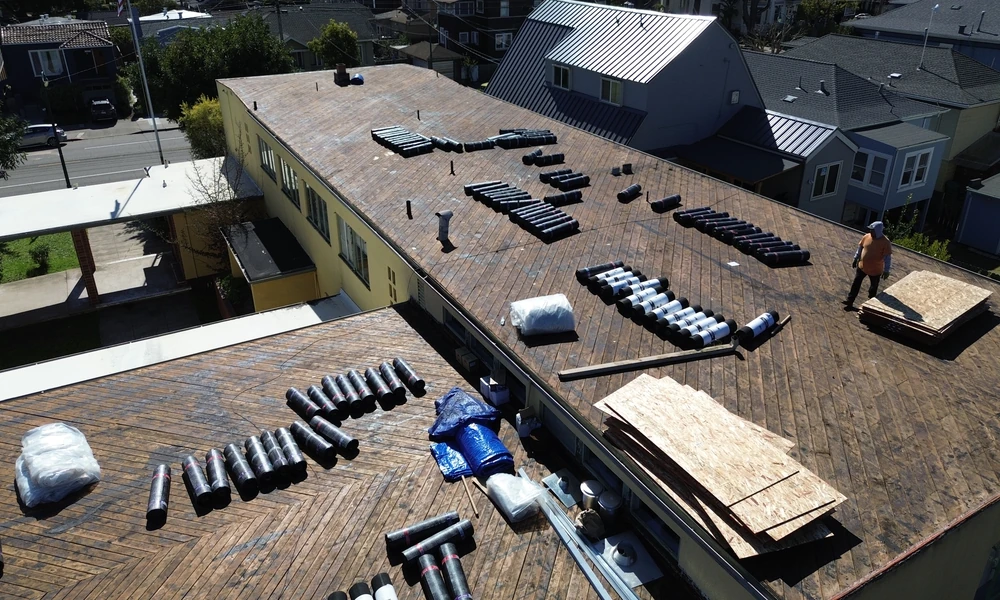
A new roof usually arrives with a thick folder of paperwork. Somewhere inside sits a warranty with a big number printed across the top, often 25 years, 50 years or simply “lifetime.” Most homeowners glance at that number, put the folder in a drawer and never think about it again until a water stain appears on a bedroom ceiling.
That is when the details start to matter. Roofers who handle repairs and claims, including teams like My Roofing Crew in Middle Tennessee, regularly meet owners who assumed one document covered everything from a cracked shingle to a badly sealed chimney. In practice, a roof warranty is usually two or three separate promises from different companies, each with its own rules, time limits and exclusions.
Knowing how those promises fit together before the last shingle goes on is the easiest way to avoid an unpleasant surprise later. It also changes how you compare quotes, because two bids using the same shingle brand can carry very different levels of protection.
Two Promises Hiding in One Folder
The first promise comes from the manufacturer. A material warranty covers defects in the product itself, such as shingles that crack, curl, blister or shed granules far too early because of how they were made. It does not cover mistakes made during installation, and it rarely pays for anything beyond the defective material unless you have an upgraded plan.
Under federal law, written consumer warranties have to be labeled either “full” or “limited,” and nearly every shingle warranty falls into the limited category. The Federal Trade Commission’s guide to warranties explains what that label means for buyers and how implied protections under state law can still apply alongside the written terms.
The second promise comes from the contractor. A workmanship warranty covers the installation: nailing patterns, flashing around walls and chimneys, underlayment laps, valley construction and ventilation. Its length varies widely, from one year to ten or more. Since most leaks in the first few years trace back to installation rather than faulty shingles, this is often the warranty that matters most early on.
What “Lifetime” Usually Means
“Lifetime” sounds open-ended, but it is usually tied to the original owner of a single-family home. Coverage tends to be strongest during an initial non-prorated period, when the manufacturer pays the full cost of replacement material. After that window closes, the warranty becomes prorated, and the payout shrinks every year the roof ages.
Labor, tear-off and disposal are often excluded once that early period ends. So a claim filed in year eighteen might cover a fraction of the shingle cost while you pay for everything else.
Transfers add another layer. Many manufacturers allow coverage to pass to a new owner only once, and only if the transfer is reported within a set time after the sale. The second owner may also receive a shorter protected period. The FTC’s guide to federal warranty law notes that a full warranty must cover anyone who owns the product during the warranty term, which helps explain why roofing manufacturers label their coverage as limited and attach conditions to transfers.
Where Enhanced System Coverage Fits
Most major shingle makers offer upgraded warranty tiers when a roof is installed by a contractor they have certified and when the job uses the brand’s full system of components. That means matching underlayment, starter strips, hip and ridge caps, and ventilation products, not just the shingles.
These enhanced plans can lengthen the non-prorated period, include labor and tear-off costs, and in some cases put the manufacturer behind the contractor’s workmanship for a defined number of years. The catch is that every requirement has to be met. A roof finished with a different brand of ridge cap or an off-brand underlayment can fall back to the basic warranty without the owner ever knowing.
Before signing a contract, a few direct questions clear up most of the confusion:
- Which warranty tier will be registered, and who handles the registration?
- How many years does the non-prorated period last?
- Does coverage include labor and tear-off, or only materials?
- How long does the contractor stand behind its own work, and is that in writing?
- What does a transfer require if you sell the home?
How Coverage Slips Away
Warranties are rarely voided by one dramatic event. More often, coverage erodes through ordinary decisions that seem harmless at the time.
Poor attic ventilation. Shingle manufacturers generally require ventilation that meets their specifications. A hot, poorly vented attic bakes shingles from below, and a claim for premature aging may be denied if the airflow falls short.
Unapproved alterations. A satellite dish bolted through the shingles, solar racking installed without following the manufacturer’s guidance, or a handyman patch using mismatched materials can all give a manufacturer grounds to refuse a claim.
Aggressive cleaning. Pressure washing strips away the granules that shield asphalt from sunlight. Most manufacturers recommend low-pressure cleaning methods instead.
Missed registration. Enhanced coverage often depends on registering the roof within a set window after installation. If nobody files that paperwork, the roof may only carry the standard warranty.
Neglected upkeep. Clogged gutters, overhanging branches and debris piled in valleys can lead to damage that falls under maintenance rather than defect.
Storm Damage Follows a Separate Path
Hail, high winds and fallen limbs are not manufacturing defects, so they usually go through homeowners insurance rather than a roof warranty. That distinction matters in regions that see spring hail and strong storm lines, where owners sometimes call the manufacturer first and lose valuable time.
Wind coverage deserves a closer look of its own. Many shingle lines carry wind ratings, but the higher ratings often depend on a specific installation method, such as extra nails per shingle or special starter strips along the eaves. If your installer used the standard pattern, the higher wind limit printed in the brochure may not apply to your roof.
Keeping the Paper Trail Useful
A warranty is only as strong as the records behind it. Keep the final invoice that lists every product by name, the registration confirmation, photos of the finished roof and attic, and receipts for any later repairs. Scanning everything into one digital folder protects it from the same leak you might someday need to claim.
When a problem does appear, manufacturers typically ask for proof of purchase, clear photos and sometimes a sample shingle. Many will not reimburse repairs made before their review, so a rushed patch can work against you even when the original defect was real.
A roof warranty works best when it is read early, ideally in the first week after installation while the crew is still easy to reach and questions are fresh. Understanding the conditions at that stage turns a vague promise in a drawer into protection you can actually rely on when the weather turns.
