

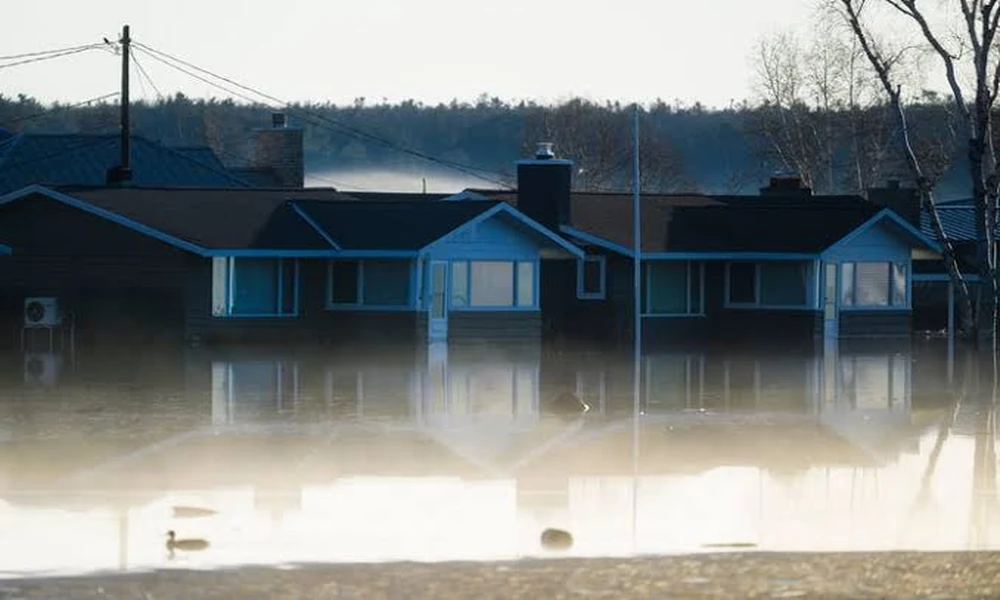
A braided washing machine hose costs about fifteen dollars. The rubber one it replaces, cracked and bulging after a decade behind the dryer, can release hundreds of gallons in an afternoon if it bursts while nobody’s home. That gap between a tiny part and a huge bill is the story of most household water problems. They rarely look dramatic until the moment they are.
Anyone dealing with water damage in Rochester learns fast that timing matters as much as the source. It’s the reason water damage in Rochester keeps crews on call 24/7 for homes in Rochester, Oakland Township, Lake Orion and nearby towns, since wet drywall and flooring start growing mold within a day or two. The better news is that most of these problems follow the calendar, and a calendar can be planned around.
Here’s how the risks shift through a typical Michigan year, plus the ones that ignore the seasons entirely.
January and February Test Every Pipe You Own
Deep cold is the single biggest water threat in this part of the state. Pipes start to be at real risk once outdoor temperatures sink into the low 20s and below, especially lines running through exterior walls, unheated garages, crawl spaces and cabinets on outside walls.
Interestingly, the pipe usually doesn’t split where the ice forms. Pressure builds between the ice plug and a closed faucet, and the break happens there. That’s why a slow drip on vulnerable faucets during a cold snap actually works.
A few habits that prevent most freeze damage:
- Keep the thermostat at 55°F or higher, even when traveling
- Open sink cabinet doors on exterior walls during extreme cold
- Seal gaps where cold air reaches rim joists and plumbing runs
- Know exactly where your main shutoff is, and make sure it turns
That last point sounds basic. Plenty of homeowners discover during an emergency that their shutoff valve has seized after twenty years of never moving.
Late Winter Brings Ice Along the Roof Edge
Ice dams form when heat escaping into the attic melts snow on the upper roof. The meltwater runs down, hits the cold eaves and refreezes, building a ridge that traps the next round of melt. That water backs up under shingles and shows up as stains on ceilings and upper walls, sometimes weeks later.
Michigan code calls for an ice barrier membrane along the eaves for exactly this reason, but older roofs may predate it. The lasting fix lives in the attic, with better insulation and air sealing so the roof deck stays cold. Raking snow off the lower few feet of the roof after heavy storms helps in the meantime.
The Thaw Is Harder on Basements Than the Storms
March and April catch people off guard. Snowmelt arrives while the ground below is still frozen, so water can’t soak in. It pools against foundations, and the heavy clay soil common across Oakland County holds it there, pressing on basement walls and floors.
This is sump pump season. Test yours before the melt by pouring a bucket of water into the pit and watching it cycle. Make sure the discharge line empties well away from the house, ideally 10 feet or more, not right back toward the foundation. A battery backup matters too, because spring storms and power outages tend to arrive together.
Homes near Paint Creek or the Clinton River deserve extra attention during wet springs, as rising water tables can push moisture up through slab cracks even without any surface flooding.
Summer Downpours Overload the Pipes Underground
Southeast Michigan’s summer thunderstorms can drop inches of rain in an hour or two. When municipal sewers get overwhelmed, water and sewage can back up through the lowest drain in the house, often a basement floor drain.
A backwater valve on the main sewer line lets waste flow out but closes when flow reverses. It’s one of the most effective upgrades a basement can get. Pair it with a quick insurance check, because standard homeowners policies usually exclude sewer backup unless you’ve added a specific endorsement.
Fall Is Setup Season for Everything Above
Autumn water damage is mostly slow and self-inflicted. Gutters packed with leaves overflow and dump water right at the foundation, which feeds next spring’s basement seepage. Clean them after the leaves drop, not before.
Before the first hard freeze, disconnect garden hoses from outdoor spigots. Even frost-free sillcocks can split if a hose traps water inside them. Shut off and drain any older exterior faucets from inside.
The Leaks That Don’t Care What Month It Is
Some of the most expensive damage has no season at all. It comes from appliances and fixtures slowly failing inside the walls and cabinets.
- Washing machine hoses should be replaced with braided steel roughly every five years
- Water heaters usually last around 8 to 12 years, and tanks often fail from the bottom without warning
- Toilet and faucet supply lines with plastic nuts can crack under sink cabinets
- Refrigerator ice maker lines leak behind the fridge where nobody looks
- Dishwasher connections can drip for months into the subfloor
Hidden leaks leave clues. A water bill that creeps upward, a musty cabinet, warped flooring near a bathroom, or paint bubbling on a wall all deserve a closer look. You can also check the meter directly. Turn off every faucet and appliance, then watch the meter’s small leak indicator. If it spins, water is escaping somewhere.
Inexpensive leak sensors placed near the water heater, washer and sinks will send a phone alert at the first puddle. Automatic shutoff valves go further, closing the main when they detect abnormal flow.
Why Speed Changes the Whole Outcome
How quickly water gets addressed shapes almost everything that follows. Clean water from a burst pipe starts turning contaminated within about two to three days. Mold can colonize damp drywall and carpet pad in 24 to 48 hours. Hardwood that’s dried promptly may flatten back out, while floors left wet tend to cup permanently.
Insurance follows the same logic. Policies generally cover sudden, accidental events like a burst pipe but often deny claims for gradual leaks that went ignored. Photograph everything early, stop the source, and document when you found it.
Water in a house is patient. It finds the weak joint, the cold wall, the clogged gutter. Working through the calendar one season at a time keeps it outside, where it belongs.
