

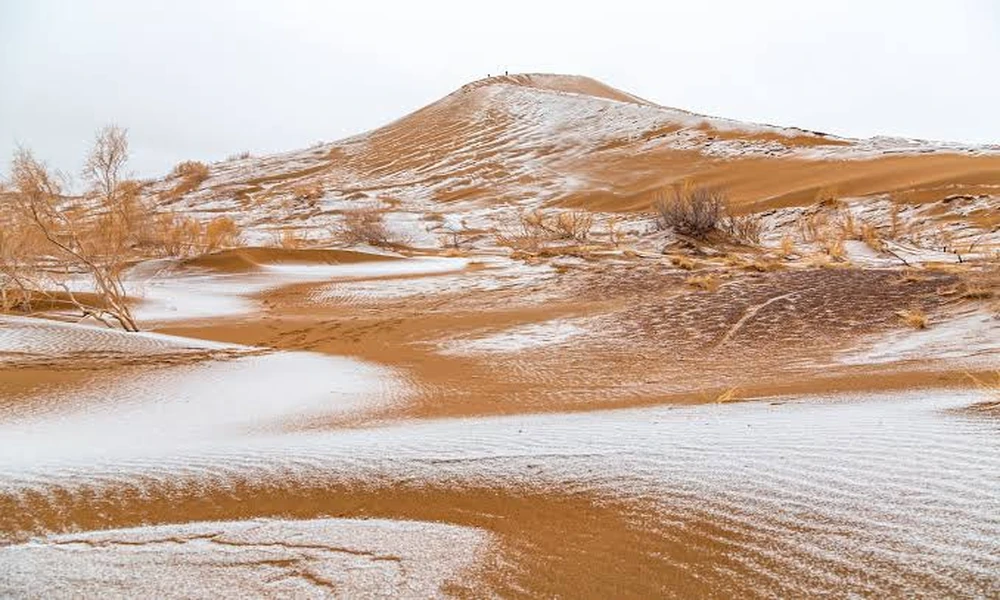
Picture two houses with the same standing seam roof. One sits in Gilbert, where the panels heat past 160 degrees on a July afternoon. The other sits on a bench above Provo, where the same panels might hold two feet of packed snow in February. The steel and the profile are identical, but the two roofs face very different conditions.
That contrast is what makes metal roofing in the Southwest and the Intermountain West worth a closer look. Most guides treat metal as one product with one list of pros and cons. In practice, how a metal roof is specified, fastened and finished should change depending on whether the bigger threat is constant sun or heavy winter weight.
Crews that work in both regions deal with this every season. Baker Roofing has spent more than 25 years on residential and commercial roofs across Arizona and Utah, with metal as its specialty, so its work has to cover both climates. The lessons from that split help any homeowner weighing metal, whichever side of the state line they live on.
The Panel Moves More Than You Think
Steel grows when it heats and shrinks when it cools, by about 0.0000065 inches per inch for every degree. That sounds trivial until you work it out on a real roof. A 30 foot panel that swings 150 degrees between a cold January night in the desert and a summer afternoon will change length by about a third of an inch. Aluminum moves nearly twice as much.
On an exposed fastener roof, that movement works against every screw, slowly stretching the holes and loosening the washers. Standing seam systems handle it differently. Hidden clips hold the panels down, and the better systems use floating clips that let each panel slide while still holding it against wind uplift. One point on each panel, usually near the ridge or the middle, is pinned so the panel expands in a predictable direction.
This is the first detail worth asking about in an estimate. If a quote describes standing seam but says nothing about how the panels are allowed to move, ask a follow-up question. Arizona has the bigger swings from day to night, and Utah has large swings from season to season. Both are hard on a roof that is fastened down too tightly.
Arizona Asks a Lot of the Hidden Layer
Desert homeowners tend to focus on the panel they can see, but the layer beneath it does just as much work. Under dark metal in Phoenix sun, the deck can get hot enough to soften ordinary asphalt felt and make some peel-and-stick membranes ooze or lose their grip. That’s why high temperature synthetic underlayments, often rated to around 240 to 260 degrees, are the usual choice under metal in the low desert.
Color and finish are the other half of the heat story. Two numbers describe how a roof surface handles sunlight. Solar reflectance measures how much of the sun’s energy bounces off, and thermal emittance measures how quickly the surface releases the heat it does absorb. The Cool Roof Rating Council publishes tested values for both, and its guidance for home and building owners explains how to read them when comparing colors. Bare metal reflects well but releases heat poorly, which is why painted panels with cool pigments usually outperform unpainted ones. Even darker browns and charcoals can now carry reflective pigments that keep them noticeably cooler than they look.
The paint system also decides how the roof will look in fifteen years. PVDF finishes, often sold under the Kynar 500 name, hold their color and resist chalking far better under strong UV than silicone modified polyester (SMP) finishes. SMP costs less up front and is a reasonable choice on a shop or a budget build. On a home in Mesa or Tucson, though, the fading shows up sooner than most people expect.
Monsoon Season Tests the Edges
Between mid June and the end of September, Arizona storms arrive fast, with gusts strong enough to peel weak roofs at the edges. Metal panels rarely fail in the middle of the roof. Trouble starts at the perimeter, where wind gets under trim, drip edges and ridge caps.
A few details separate a monsoon-ready metal roof from an ordinary one.
- Clips are spaced closer together near eaves, rakes and corners, where uplift is strongest.
- Panel ends are hemmed and the trim is locked in at the eave, so wind has no loose edge to catch.
- Closures at the ridge and eave keep wind-driven rain and dust from blowing under the panels.
- Flashing and sealant at pipes, vents and walls are designed to move with the panels instead of relying on rigid caulk.
Hail is the other monsoon wildcard. Heavier 24 gauge steel resists denting better than 26 or 29 gauge, and many panels carry a Class 4 impact rating under UL 2218. Hail usually leaves cosmetic dents in metal rather than leaks. That matters when an insurance adjuster arrives, because some policies treat cosmetic damage differently from damage that affects how the roof works. Reading that part of your policy before a storm saves a lot of frustration afterward.
Utah Puts Weight Ahead of Heat
Cross into northern Utah and heat becomes a secondary concern, while snow weight and water take over. Required snow loads along the Wasatch Front vary sharply with elevation. A home in a canyon or a ski town may be designed for several times the load of a house in the valley below. Panel gauge, rib height, clip strength and the framing underneath all have to match what the local building department requires.
Metal’s slick surface creates its own problem. Snow slides off steel far more easily than off shingles, which is good for the roof and dangerous for anything below it. A sheet of snow letting go above a front door, a deck, a driveway or a lower roof can injure people and tear off gutters. Snow guards, either rows of individual guards or continuous rails, hold the snow in place so it melts off gradually. They have to be attached to the panel seams or the structure, never screwed through the panel. They also need to be laid out for the roof’s pitch and expected snow load, not just scattered along the eave.
Ice dams are less common on metal than on shingles, but they still form, especially on poorly insulated homes where attic heat melts snow that refreezes at the cold eave. Codes in snowy areas usually require an ice barrier membrane running from the eave up past the line of the heated walls. Good attic ventilation and air sealing do even more than the membrane, because they stop the melting from starting.
Condensation is the less obvious winter problem. On cold nights, warm, moist air from inside the house can condense on the underside of the metal if it reaches it. On homes, a solid deck and proper underlayment usually prevent this. Metal over open framing on garages, barns and additions needs a deliberate plan to keep that moisture away from the steel.
Rain Noise, Rippled Panels and Price
The rain noise worry comes up all the time. Over solid sheathing with underlayment and an insulated attic, a metal roof usually sounds no louder than shingles from inside the house. The drumming people remember tends to come from metal laid over open framing on barns.
Oil canning is a slight waviness you can see on the flat parts of panels in low sun. It’s a cosmetic quirk rather than a defect. Narrower panels, panels with small stiffening ribs, and careful handling during installation all reduce it, and thicker gauges help too.
Then there’s cost. Standing seam usually costs more than architectural shingles to install, sometimes by a wide margin. The tradeoff is lifespan. A well installed steel roof with a quality finish can last 40 to 60 years or more, while shingles under Arizona sun often wear out well before their warranty suggests. Spread over decades, the math often favors metal, especially for homeowners who plan to stay.
Building for the Weather You Actually Get
The best metal roof for a Chandler ranch house and the best one for a Heber City cabin share a name and little else. The first is built around reflective finishes, heat-rated underlayment and wind-resistant edges. The second is built around snow load ratings, snow guards and keeping warm, moist air away from cold steel. A homeowner who knows which forces their own roof will face can compare quotes, ask sharper questions and spot an estimate that treats every house the same.
Metal rewards that kind of attention. Chosen for its climate and installed with movement in mind, a metal roof will often outlast the people who chose it.
