

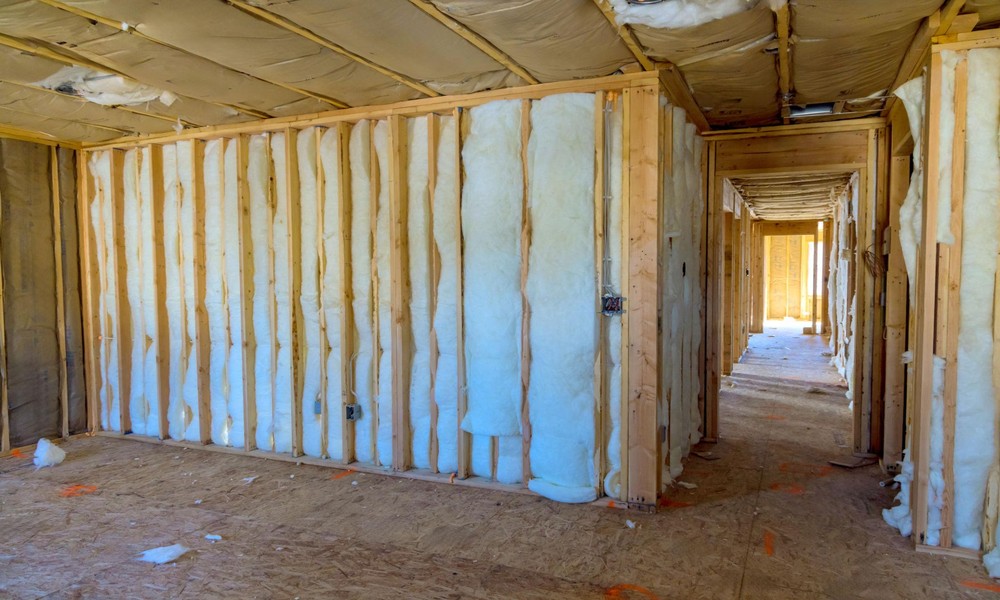
Choosing the right insulation material has a direct impact on how comfortable, energy-efficient, and cost-effective your home will be over time. A well-insulated house reduces heat loss, stabilizes indoor temperatures, and lowers energy bills, while poor insulation can lead to drafts, moisture issues, and unnecessary expenses.
What Does Insulation Actually Do?
Insulation slows down heat transfer between the inside and outside of a home, helping maintain a consistent indoor temperature regardless of the season. It reduces the workload on heating and cooling systems, which improves energy efficiency and extends the lifespan of HVAC equipment.
In addition to thermal performance, insulation also plays a role in air sealing, moisture control, and even sound reduction, making it an essential component of modern home construction and renovation.
Common Types of Insulation Materials
Several insulation materials are commonly used in residential projects, each offering different levels of performance, cost, and durability. Understanding their characteristics helps homeowners choose the most suitable option for their needs.
Main Types
- Fiberglass insulation is one of the most widely used materials due to its low cost and ease of installation, but it offers limited air sealing.
- Cellulose insulation is made from recycled materials and provides moderate insulation performance, though it can be sensitive to moisture.
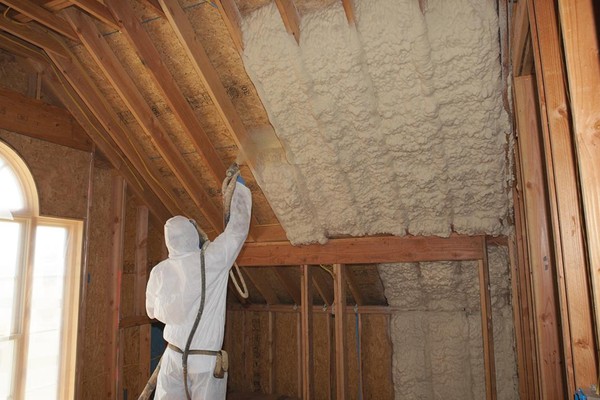
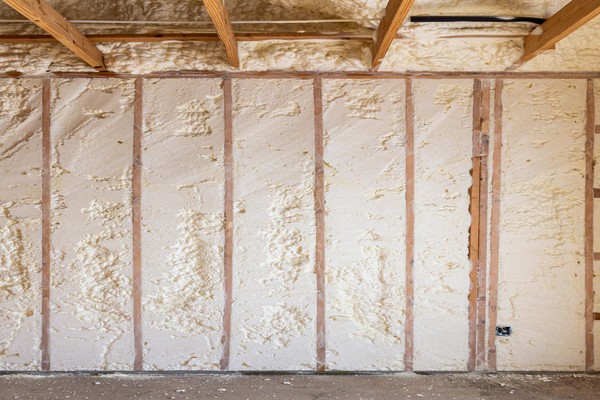
- Spray foam insulation (polyurethane) expands to fill gaps and creates an airtight seal, offering superior performance in both insulation and air sealing.
- Rigid foam boards provide strong thermal resistance and are commonly used in walls, roofs, and foundation systems.
Comparison of Insulation Materials
Different insulation materials vary not only in thermal performance, but also in air sealing ability, moisture resistance, and long-term durability. In real projects, these factors often matter more than initial cost, because they directly affect energy efficiency, maintenance needs, and overall comfort inside the home.
Insulation Material Comparison
|
Material |
R-Value (per inch) |
Air Sealing |
Moisture Resistance |
Lifespan |
Typical Use |
|---|---|---|---|---|---|
|
Fiberglass |
2.2 – 2.9 |
Poor |
Low |
10-20 years |
Attics, walls |
|
Cellulose |
3.2 – 3.8 |
Moderate |
Low |
10-20 years |
Walls, attics |
|
Spray Foam (Open-Cell) |
3.5 – 4.0 |
Excellent |
Moderate |
20+ years |
Interior walls |
|
Spray Foam (Closed-Cell) |
6.0 – 7.0 |
Excellent |
High |
20+ years |
Walls, basements |
|
4.0 – 6.5 |
Good |
High |
20+ years |
Exterior walls |
Performance Insight
Fiberglass and cellulose are widely used due to their low cost, but they do not provide effective air sealing, which can lead to energy loss through gaps and leaks. Spray foam, especially closed-cell foam, offers significantly higher insulation performance and creates an airtight barrier, improving overall efficiency by 30-50% in many homes.
Practical Recommendation
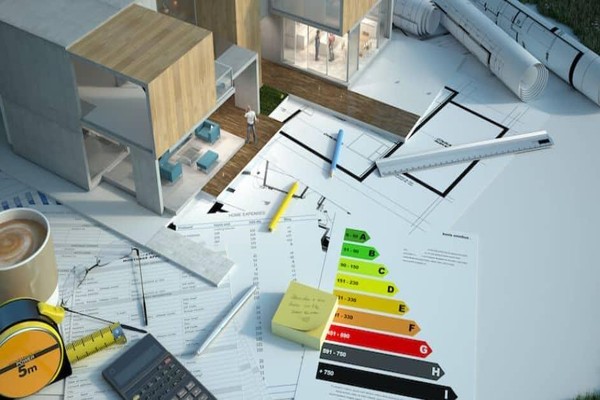
For homeowners focused on budget, fiberglass or cellulose can work for basic insulation needs. However, for better long-term performance, spray foam or rigid foam systems provide stronger insulation, improved moisture protection, and reduced energy costs over time.
Key Factors to Consider When Choosing
Selecting the right insulation material depends on several practical factors, not just cost. The best solution should match your home’s structure, climate conditions, and long-term performance goals.
Important Factors
- Climate – Colder or hotter regions require higher insulation performance
- Budget – Consider both upfront cost and long-term savings
- Installation method – Some materials require professional equipment
- Space limitations – Thickness and application area matter
- Energy efficiency goals – Higher performance materials reduce long-term costs
Cost vs Long-Term Value
While some insulation materials are cheaper initially, they may not provide the same level of efficiency or durability. Higher-performance options often deliver better value over time through energy savings and reduced maintenance.
Typical Cost Range
|
Material |
Cost (USD per sq.ft) |
|---|---|
|
Fiberglass |
$0.5 – $1.5 |
|
Cellulose |
$1.0 – $2.0 |
|
Spray Foam (open-cell) |
$1.5 – $3.0 |
|
Spray Foam (closed-cell) |
$3.0 – $7.0 |
Although spray foam costs more upfront, it can reduce energy bills by 30-50%, often recovering the investment within a few years.
Where Different Materials Work Best
Different parts of a home require different insulation strategies. Using the right material in the right place improves overall performance and efficiency.
Application Guide
- Attics – Fiberglass or spray foam for heat control
- Walls – Spray foam or rigid foam for better sealing
- Basements – Closed-cell foam for moisture resistance
- Crawl spaces – Insulation with strong water protection
Why Spray Foam Is Gaining Popularity
Spray foam insulation is becoming more popular because it offers a complete solution rather than addressing only one aspect of insulation. It expands to fill gaps, seals air leaks, and provides high thermal resistance in a single application.
Key Advantages
- Superior air sealing performance
- High insulation value
- Resistance to moisture and mold
- Long service life with minimal maintenance
These benefits make it especially attractive for homeowners looking for long-term efficiency and comfort.
Common Mistakes to Avoid
Many homeowners make insulation decisions based only on price or familiarity with traditional materials. This often leads to poor performance and higher long-term costs.
Typical Mistakes
- Choosing the cheapest material without considering efficiency
- Ignoring the importance of air sealing
- Using the wrong insulation type for specific areas
- Overlooking moisture and ventilation requirements
Avoiding these mistakes helps ensure better results and longer-lasting performance.
Choosing the right insulation material is one of the most important decisions in home construction or renovation. The right choice improves comfort, reduces energy costs, and increases long-term value, while the wrong choice can lead to ongoing inefficiency and higher expenses.
By understanding the differences between materials and evaluating your specific needs, you can create a more comfortable, efficient, and future-ready home.
